Fence Cleaning 101: Restoring Beauty and Extending Lifespan
December 26, 2025

Fences are more than just boundaries; they are integral components of a property’s overall aesthetic and security. Whether wooden, vinyl, or metal, fences endure constant exposure to the elements, accumulating dirt, mildew, algae, and even corrosion over time. Without proper maintenance, these unsightly deposits can compromise both appearance and structural integrity, making fence cleaning an essential aspect of property upkeep. Homeowners and property managers alike often overlook this routine task, but a clean fence is not only visually appealing—it plays a vital role in extending the lifespan of the structure, preventing costly repairs or replacements.
In recent years, the fence cleaning industry has seen significant advancements in techniques and eco-friendly solutions that allow for efficient restoration without causing damage. From professional power washing services to DIY cleaning strategies, there are numerous methods tailored to different fence materials and conditions. Understanding how to clean, protect, and maintain your fence can save money, enhance curb appeal, and contribute to a healthier outdoor environment. This comprehensive guide explores actionable strategies, expert insights, and practical tips that homeowners can implement to keep their fences looking pristine while ensuring longevity.
1. Understanding Your Fence Material
Types of Fences and Their Challenges
The first step in effective fence cleaning is carefully identifying the material, as each type presents unique challenges that can impact both appearance and durability.
- Wooden Fences: Susceptible to rot, mildew, and insect damage. Over time, accumulated dirt, moisture, and seasonal exposure can cause splintering, warping, or even structural weakening.
- Vinyl Fences: Low-maintenance but prone to surface stains, algae, and discoloration caused by environmental exposure. Requires careful cleaning to avoid scratches or finish damage during maintenance.
- Metal Fences (Aluminum, Iron, Steel): Resistant to decay but vulnerable to rust, corrosion, and paint chipping. Cleaning must be gentle to preserve protective coatings while preventing long-term deterioration.
- Composite Fences: Made from recycled materials, these fences resist rot and insects but may harbor mildew or dirt if not cleaned properly, especially in shaded or damp areas.
Material-Specific Cleaning Considerations
Each fence material requires tailored approaches to maximize results and ensure longevity while maintaining visual appeal:
- Wood: Soft-bristled brushes and mild cleaning agents prevent surface damage. Power washing should be applied carefully on a low setting to avoid splintering or water penetration.
- Vinyl: Gentle detergent solutions or specialized vinyl cleaners, combined with soft cloths or brushes, remove stubborn stains without harming the protective finish.
- Metal: Non-abrasive cloths and rust inhibitors protect the structure, while careful pressure washing removes dirt and debris without stripping protective coatings prematurely.
Recognizing your fence’s material early helps determine the safest and most effective cleaning techniques, ensuring both aesthetic appeal and long-term durability.
2. Common Fence Issues and Their Causes
Dirt, Debris, and Stains
Accumulated dirt, pollen, and grime are common across all fence types due to consistent outdoor exposure, wind, and rain, which contribute to thick surface buildup and unsightly appearances. For wooden fences, this can accelerate wood decay, while for vinyl fences, surface stains may become permanent if left untreated over extended periods.
Mold, Mildew, and Algae
Humid climates and shaded areas encourage rapid growth of mold, mildew, and algae, appearing as green or black patches on fence surfaces. Wooden fences absorb moisture, worsening decay, while vinyl and composite fences may develop slippery surfaces, creating potential hazards and compromising overall safety.
Rust and Corrosion
Metal fences, particularly iron and steel varieties, face gradual oxidation over time. Rust not only weakens structural integrity but can also spread rapidly if not addressed promptly. Regular inspection and preventive cleaning are crucial to mitigating long-term damage.
Weather-Related Damage
Sun exposure, heavy rain, snow, and ice lead to fading, warping, cracking, or paint chipping, depending on fence material. Maintaining a regular cleaning schedule can reveal early signs of weather-related damage, allowing timely repairs before issues escalate further.
Real-World Example
Consider a homeowner in Toronto with a wooden backyard fence. Over several years, mildew and dirt buildup not only dulled the fence’s appearance but also caused the bottom panels to rot. A combination of professional pressure washing and protective sealing successfully restored the fence, saving thousands in potential replacement costs.
3. Effective Cleaning Methods
DIY Fence Cleaning Techniques
For homeowners with time and inclination, several DIY approaches can effectively restore fence beauty while maintaining material integrity:
- Soft Scrubbing: Use a soft-bristled brush and mild detergent to remove surface dirt, grime, and stains. This method works especially well for wooden and vinyl fences.
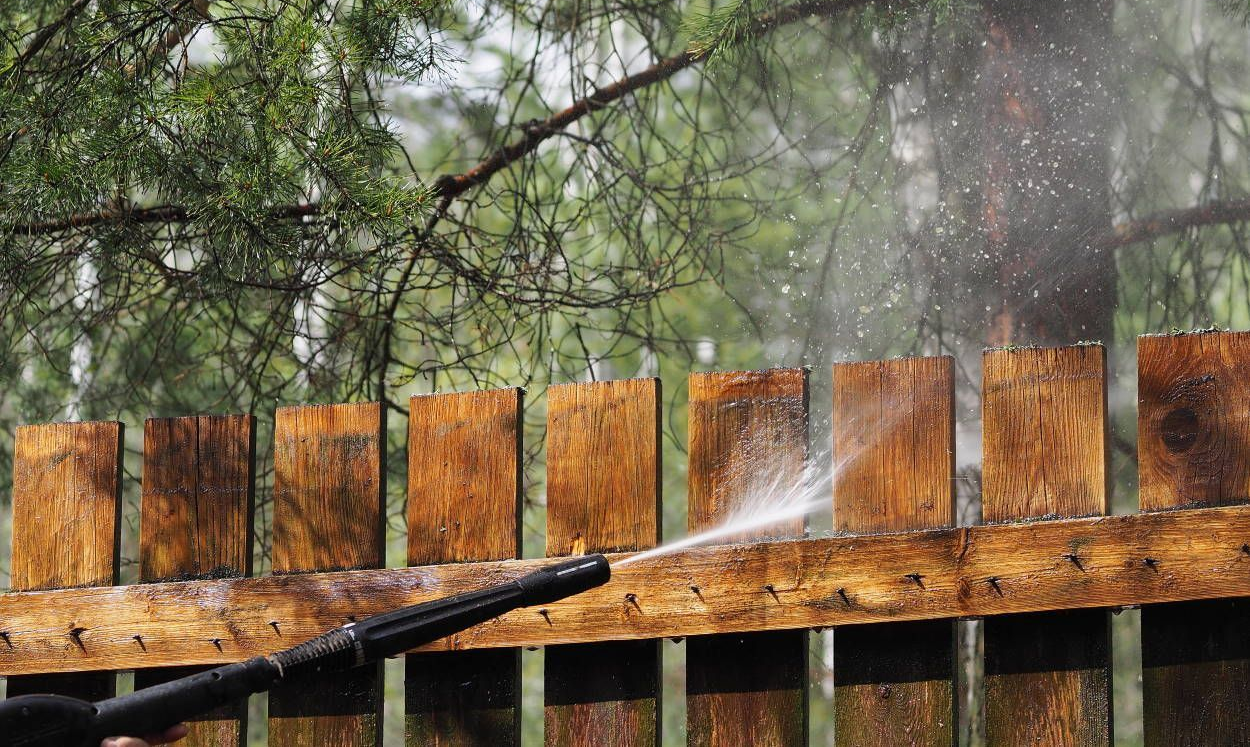
- Power Washing: A pressure washer can remove deep-set dirt, mold, and mildew efficiently. Adjust pressure carefully according to the material to prevent damage or splintering.
- Homemade Solutions: Vinegar, baking soda, or bleach diluted in water can eliminate algae and mold. Exercise caution to avoid harming surrounding plants, finishes, or pets.
Professional Cleaning Services
Hiring professionals ensures safe, efficient, and thorough cleaning while preserving fence quality:
- Expertise: Professionals assess the fence type and select the most suitable cleaning agents and equipment for optimal results.
- Advanced Equipment: High-grade pressure washers, eco-friendly cleaning solutions, and rust inhibitors provide superior, long-lasting results.
- Time and Safety: Professionals reduce the risk of injury, save significant homeowner effort, and handle hard-to-reach or larger fences efficiently.
Choosing the Right Method
The optimal cleaning approach depends on fence material, size, level of dirt buildup, and budget considerations. Light surface dirt may require only scrubbing, while years of grime, mold, or rust often necessitate professional intervention. Combining DIY upkeep with periodic professional cleaning yields the best overall results.
4. Preventive Maintenance and Protection
Sealing and Staining
For wooden fences, applying a sealant or stain provides essential protection against moisture, UV rays, and insect damage. Regular sealing every 2–3 years preserves the wood’s structural integrity and enhances long-term aesthetic appeal.
Rust Prevention for Metal Fences
Metal fences benefit from protective coatings, rust inhibitors, or rust-resistant paint. Inspecting for early signs of corrosion and addressing them promptly prevents larger structural problems and costly repairs over time.
Routine Cleaning Schedule
Establishing a regular cleaning routine is critical for maintaining fence health:
- Wood: Clean twice yearly, ideally in spring and fall to address seasonal dirt and prevent mildew.
- Vinyl/Composite: Clean once or twice yearly depending on exposure, environmental conditions, and dirt accumulation.
- Metal: Conduct annual inspections and cleaning, with more frequent attention in humid or coastal areas to prevent corrosion.
Landscaping Considerations
Overgrown shrubs, vines, and nearby trees accelerate dirt, moisture, and mildew buildup on fences. Keeping vegetation trimmed reduces growth of mold and facilitates easier and safer cleaning over time.
5. Environmental and Safety Considerations
Eco-Friendly Cleaning Solutions
Modern fence cleaning emphasizes environmentally responsible methods. Biodegradable detergents, low-chemical solutions, and natural cleaners prevent harm to soil, plants, pets, and local water systems, while preserving fence finishes effectively.
Safe Cleaning Practices
Hiring professionals ensures safe, efficient, and thorough cleaning while preserving fence quality:
- Protective Gear: Gloves, goggles, and non-slip footwear prevent injuries and provide better handling of cleaning equipment.
- Pressure Settings: Adjusting the power washer pressure ensures effective cleaning without splintering wood, denting metal, or damaging finishes.
- Electrical Safety: Ensure outdoor outlets and electric washers are properly grounded to avoid accidents during fence cleaning.
Water Conservation
Efficient water usage reduces environmental impact and utility costs. Techniques such as targeted spraying, using collection systems, or reusing rinse water help conserve resources while thoroughly cleaning fence surfaces.
6. Benefits of Regular Fence Cleaning
- Aesthetic Appeal:- A clean fence enhances curb appeal, creating a welcoming, polished appearance for guests, visitors, and potential buyers. Pristine fences complement landscaping, outdoor décor, and the overall property aesthetic.
- Extended Lifespan:- Removing dirt, mold, mildew, and rust prevents premature deterioration and extends fence longevity. Regular maintenance can delay expensive replacements by several years, preserving both value and functionality.
- Health and Safety:- Mold, mildew, and algae can create slippery surfaces and trigger allergic reactions. Consistent cleaning ensures a safer, healthier, and more enjoyable outdoor environment for families and pets.
- Cost-Effectiveness:- Investing in routine cleaning and preventive care reduces the likelihood of costly repairs or complete fence replacements. Small, regular efforts today prevent major expenditures in the long-term, offering excellent value.
- Real-Life Scenario:- A property management company in Ontario reported that routinely cleaning and sealing fences on rental properties reduced overall maintenance costs by nearly 40% over five years. Clean, well-maintained fences also contributed to higher tenant satisfaction, stronger property appeal, and improved occupancy rates consistently.
Actionable Strategies for Fence Care and Maintenance
Fence cleaning is an essential component of property care, combining aesthetic enhancement with practical longevity. Understanding the specific needs of different fence materials, recognizing common issues such as mold, mildew, rust, and dirt accumulation, and employing the right cleaning methods are critical steps for maintaining a fence’s beauty and structural integrity. Incorporating preventive measures, such as sealing, staining, rust protection, and regular cleaning schedules, ensures your fence remains a reliable and attractive element of your property for years to come.
At Advantage Pro Services, located in Toronto, Ontario, we bring several years of experience in professional fence maintenance and cleaning. Our team is dedicated to restoring the beauty of your fences while extending their lifespan through expert techniques, eco-friendly solutions, and meticulous attention to detail. Whether for residential or commercial properties, we combine industry knowledge, reliable service, and personalized solutions to ensure each fence we work on looks its best and remains protected against environmental wear and tear. Trust Advantage Pro Services to safeguard your investment and elevate the appearance of your property.