House Washing vs. Pressure Washing: What’s the Difference?
January 17, 2026

Maintaining the exterior of a home is essential for both aesthetic appeal and structural longevity. Over time, dirt, mold, mildew, algae, and other environmental residues accumulate on walls, roofs, and driveways, making your home appear worn and aged. Many homeowners are faced with the question of how best to restore their property’s appearance: should they opt for house washing or pressure washing? Although the terms are often used interchangeably, they refer to distinct cleaning methods, each with specific applications, benefits, and considerations. Understanding the difference is crucial for achieving optimal results while protecting your home’s surfaces.
Choosing the right cleaning method not only enhances your property’s curb appeal but also prevents potential damage caused by improper techniques. House washing typically involves a gentler approach using low-pressure water combined with cleaning solutions to remove buildup, while pressure washing relies on high-pressure water streams to clean tougher surfaces. Selecting the appropriate method can save homeowners time, effort, and money, ensuring surfaces are cleaned safely and effectively. This guide will provide a comprehensive comparison of house washing and pressure washing, offering actionable insights, expert reasoning, and real-world examples to help you make an informed decision for your home maintenance needs.
1. Understanding House Washing and Pressure Washing
What Is House Washing?
House washing is a low-pressure cleaning method designed specifically for exterior home surfaces. It involves using water in combination with specialized cleaning solutions to remove dirt, mold, mildew, and algae from materials such as vinyl siding, stucco, brick, and painted wood. The key principle behind house washing is “soft washing,” which ensures that the cleaning process does not damage delicate surfaces. The solutions used often contain environmentally safe chemicals that break down contaminants, allowing them to be rinsed away gently.
This method is ideal for surfaces that may crack, chip, or wear under high-pressure streams. For example, painted wood siding or older brickwork can deteriorate if cleaned with a pressure washer. House washing also helps in maintaining the longevity of exterior coatings and finishes, reducing the risk of costly repairs.
What Is Pressure Washing?
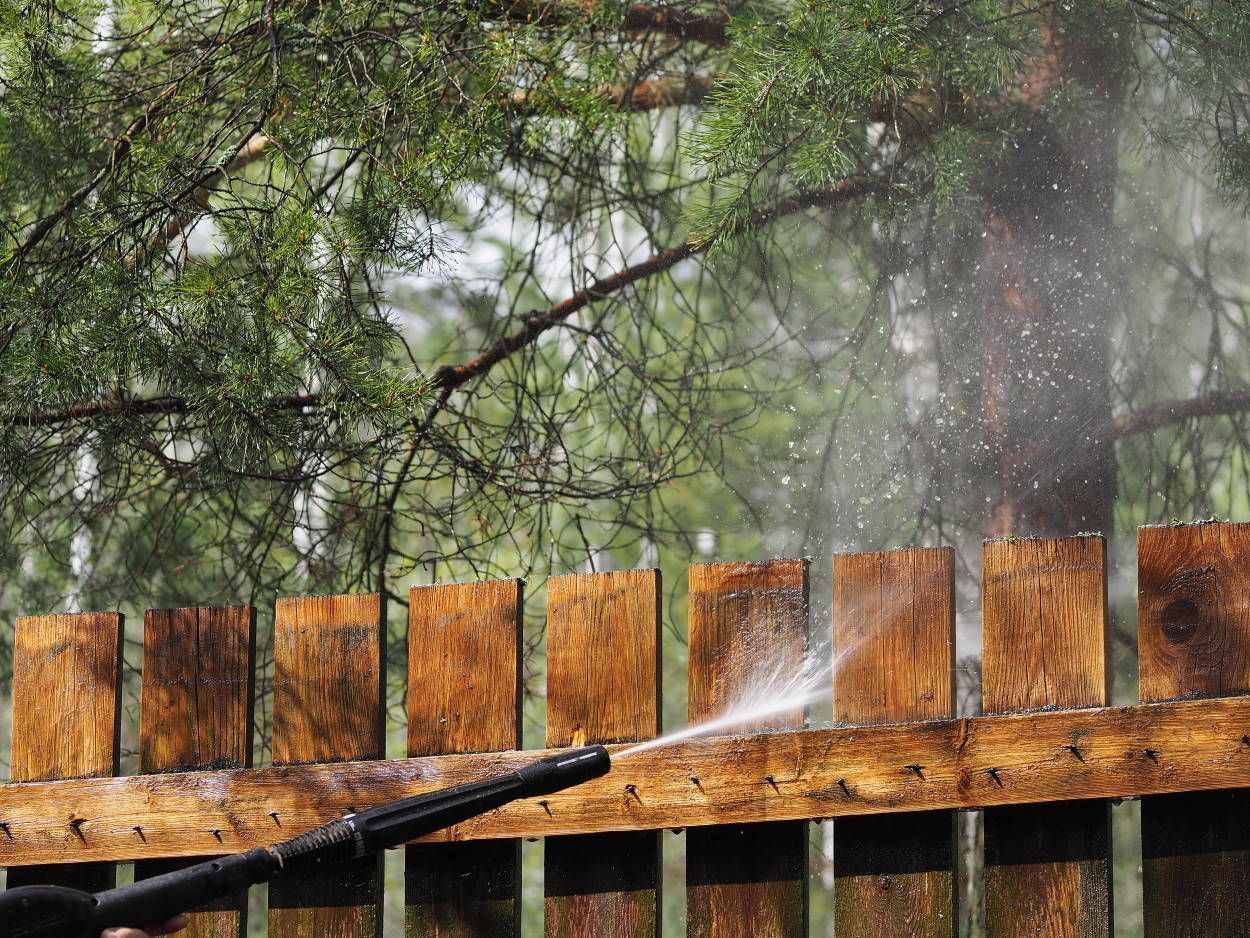
Pressure washing, in contrast, uses high-pressure water jets to blast away dirt, grime, mold, and stains from harder surfaces. It is commonly applied to concrete driveways, patios, decks, stone walkways, and brick walls. The water pressure can range from 1,300 to over 3,000 PSI (pounds per square inch), making it highly effective for stubborn buildup and heavy stains.
Pressure washing is particularly useful in situations where a surface can withstand intense force without damage. For example, a concrete driveway covered in oil stains or moss growth is best treated with a pressure washer to ensure deep cleaning. However, improper use on fragile surfaces can lead to etching, chipping, or water intrusion, highlighting the importance of correct technique and pressure adjustment.
2. Key Differences Between House Washing and Pressure Washing
Pressure Levels and Techniques
The most notable difference between house washing and pressure washing is the pressure applied. House washing employs low-pressure water, typically under 500 PSI, which prevents damage while still effectively cleaning surfaces. The process relies heavily on cleaning solutions to remove contaminants rather than brute force. Pressure washing, however, uses high-pressure streams that can exceed 3,000 PSI, making it suitable for tough, resilient surfaces.
Surface Compatibility
Surface type plays a crucial role in determining the appropriate method. House washing is suitable for delicate or painted surfaces such as vinyl siding, wood, stucco, and aluminum. It is particularly effective in removing biological growths like algae and mold without stripping paint or causing surface erosion. Pressure washing is more compatible with hard surfaces like concrete, stone, brick, and composite decking, where high pressure can remove dirt, stains, and moss effectively.
Environmental Considerations
Another distinction lies in the environmental impact. House washing often uses biodegradable cleaning agents, ensuring that runoff is safe for landscaping and nearby water sources. Pressure washing, particularly without detergents, relies solely on force and water, which may generate significant runoff without chemical neutralization. Using pressure washing with harsh chemicals can increase environmental risks, requiring careful handling and containment.
3. Benefits and Advantages
Benefits of House Washing
- Surface Protection: Low-pressure cleaning minimizes the risk of damage to siding, paint, or older materials.
- Mold and Mildew Removal: Cleaning solutions effectively eliminate algae, mold, and mildew at their roots, preventing regrowth.
- Extended Lifespan: Regular house washing maintains coatings, prolonging the life of exterior surfaces.
- Enhanced Curb Appeal: Gentle yet thorough cleaning restores your home’s aesthetic appeal without the risks associated with high-pressure methods.
Benefits of Pressure Washing
- Deep Cleaning: High-pressure water can remove stubborn dirt, grease, oil stains, and graffiti that low-pressure methods may struggle with.
- Time Efficiency: Pressure washing covers large, durable areas quickly, saving time for commercial or larger residential projects.
- Versatility for Hard Surfaces: Concrete, stone, and brick driveways, patios, and walkways benefit from the powerful cleaning capabilities.
- Preparation for Renovation: Pressure washing can effectively prepare surfaces for painting, sealing, or refinishing by removing loose debris and buildup.
4. Challenges and Risks
Potential Risks of House Washing
Despite its gentle approach, house washing has limitations. Soft washing may be less effective on extremely stubborn stains, and improper dilution or application of cleaning solutions can lead to residue buildup or streaking. Additionally, DIY house washing without knowledge of chemical ratios or surface compatibility may damage plants or landscaping.
Potential Risks of Pressure Washing
Pressure washing carries a higher risk of surface damage, especially on delicate materials. Using too high a pressure setting can etch brick, chip paint, or gouge wood. Water intrusion is another concern, particularly around windows, doors, and cracks, which can lead to structural issues or mold growth behind walls. Safety risks also exist for operators, as the high-pressure stream can cause injuries if mishandled.
5. Best Practices for Effective Cleaning
House Washing Best Practices
- Use Appropriate Cleaning Solutions: Choose biodegradable, low-impact cleaners suited for the surface type.
- Test a Small Area First: This ensures that the solution does not discolor or damage the siding.
- Use Soft Brushes or Nozzles: For areas with stubborn growth, a soft-bristled brush helps without compromising the surface.
- Rinse Thoroughly: Proper rinsing removes all cleaning solution residues, preventing streaking or chemical buildup.
Pressure Washing Best Practices
- Adjust Pressure Accordingly: Match the PSI and nozzle type to the surface being cleaned. Lower pressures for painted or delicate surfaces, higher for concrete.
- Maintain Safe Distance: Keep a safe distance to avoid surface damage or personal injury.
- Move Continuously: Avoid holding the nozzle in one spot to prevent etching or streaks.
- Protect Surroundings: Cover plants, outdoor furniture, and delicate landscaping to prevent accidental damage from high-pressure water.
6. Choosing the Right Method for Your Home
- Assessing Surface Materials:- Begin by identifying the materials on your property. Vinyl siding, painted wood, stucco, and aluminum generally require house washing. Concrete, stone, or heavily soiled decks are more suited for pressure washing. Knowing your surfaces helps determine which method balances effectiveness with safety.
- Considering Cleaning Goals:- Define what you want to achieve. If the goal is to remove biological growth and lightly accumulated dirt, house washing is ideal. If dealing with deep stains, oil spills, or preparing a surface for renovation, pressure washing may be the better option.
- Frequency and Maintenance:- Regular cleaning using the appropriate method helps prevent long-term damage and buildup. For example, annual house washing for siding can prevent mold growth and paint deterioration, while pressure washing driveways every 1–2 years removes ingrained dirt and stains, maintaining appearance and functionality.
- Consulting Professionals:- Engaging experienced exterior cleaning professionals ensures the correct method, pressure, and cleaning solutions are used. Professionals also provide safety measures, protect landscaping, and achieve consistent, high-quality results, reducing the risk of costly mistakes.
Understanding the difference between house washing and pressure washing is essential for homeowners seeking effective, safe, and long-lasting exterior cleaning. While house washing provides a gentle, solution-based method ideal for delicate surfaces, pressure washing delivers powerful, high-pressure cleaning for hard, durable surfaces. Both methods have their unique advantages, challenges, and best practices, and choosing the correct approach requires assessing surface materials, cleaning goals, and potential risks. By implementing the right method and maintaining a regular cleaning schedule, homeowners can preserve the aesthetic appeal and structural integrity of their property while maximizing the lifespan of exterior surfaces.
Professional Guidance for Long-Lasting Exterior Care
For homeowners and property managers in Toronto, Ontario, Advantage Pro Services stands as a trusted authority in exterior cleaning solutions. With Several years of hands-on experience, our team specializes in both house washing and pressure washing, ensuring each project is tailored to the unique requirements of your home or commercial property. Our professionals use industry-approved techniques and environmentally safe cleaning solutions to deliver thorough, efficient, and damage-free results. We prioritize safety, precision, and customer satisfaction, understanding that every surface requires careful consideration. Whether it’s removing stubborn stains from a driveway, restoring vinyl siding, or eliminating algae and mildew from delicate surfaces, Advantage Pro Services combines technical expertise with practical experience to achieve exceptional outcomes. Homeowners can rely on our guidance for choosing the most suitable cleaning method, scheduling maintenance, and implementing long-term protective strategies. By partnering with Advantage Pro Services, you gain access to a dedicated team committed to preserving the beauty, safety, and value of your property through professional exterior cleaning services.